







Search Results for: clogging and water pooling
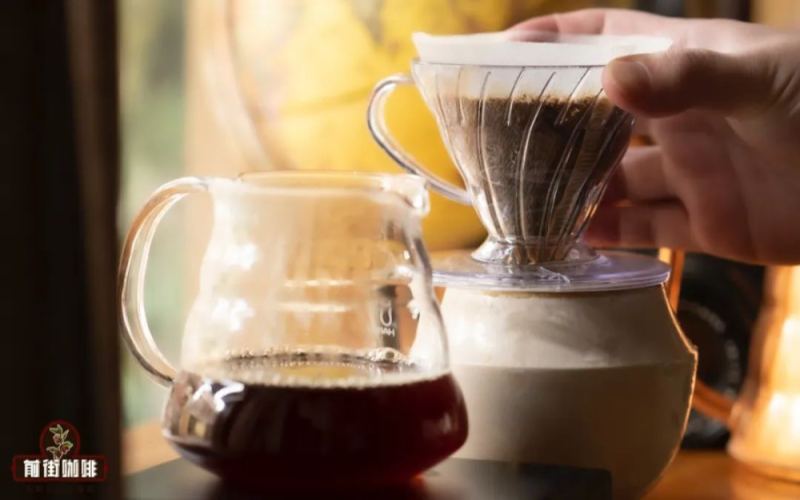
How to Deal with Clogging and Water Pooling in Pour-Over Coffee? Three Key Signals to Watch for When Brewing Light Roast Beans
During pour-over brewing, when fine particles clog the filter and drainage slows down, you often have no choice but to cut off the flow as an emergency measure—but if you're even slightly late, the bitter, over-extracted taste ruins the entire cup. Rather than reacting passively, it's better to anticipate the clog before it happens. Drawing on the characteristics of light-roasted beans, Front Street Coffee shares how to judge whether water will pool during brewing based on three aspects—the degree of expansion during blooming, the foam behavior, and the rate at which the water level drops—and offers corresponding adjustment techniques to help you reduce the negative impact when a clog occurs, while also getting to the true root of the problem. [more…]
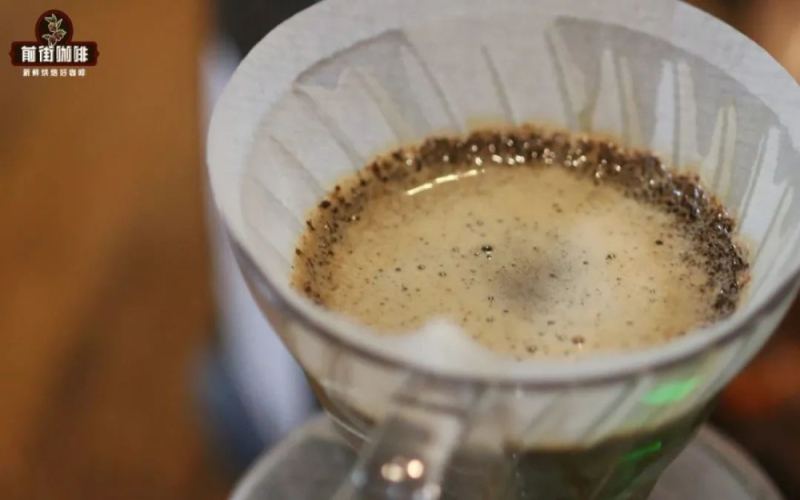
Three key time points for judging whether water accumulation will occur during the pour-over brewing process
One of the most frustrating problems in pour-over coffee is water pooling. Once clogging occurs in the final stage of brewing, the coffee's flavor often turns bitter and undrinkable. In fact, before the pouring is finished, there are several time windows where you can predict in advance whether pooling will happen. As long as you master these judgment methods, you can adjust your pouring strategy in time and avoid ending up in a passive position. This article will focus on three key time points—the degree of bloom expansion, the foam performance during pouring after the bloom, and the speed at which the water level drops before the final pour—to explain one by one how to identify the risk of pooling and give corresponding countermeasures. It will also introduce the ultimate solution when all methods fail—flow cutoff—and how to deal with the problems of overly high coffee concentration and missing flavor after flow cutoff. [more…]
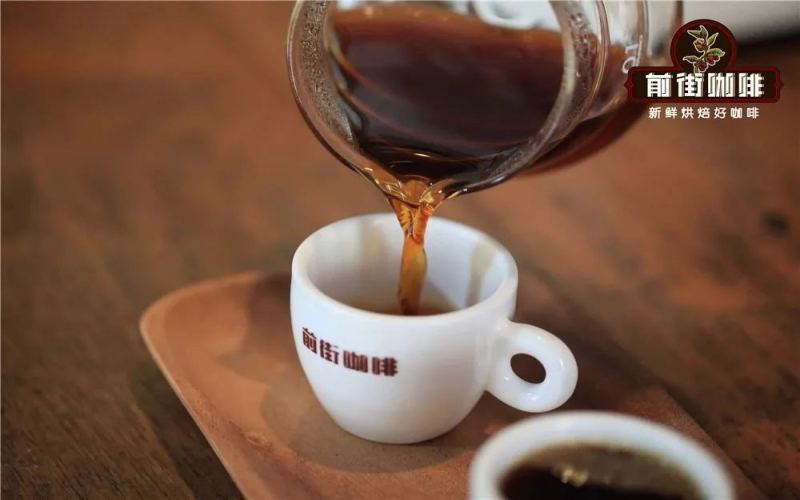
The Complete Guide to Pour-Over Light Roast Coffee: Solve the Slow Flow and Water Pooling Problem, Easily Brew Sweet Flavors
Light roast coffee beans are beloved for their bright floral and fruity aromas, but many enthusiasts often run into slow flow rates and easy pooling when brewing pour-over at home, ultimately extracting nothing but a monotonous sour taste. This actually has a lot to do with the physical structure of light roast beans: with a light roast level, the bean body is dense, the carbon dioxide content is low, and both water absorption and degassing capacity are weak, causing fines to easily settle and clog the dripper. This article will take a deep dive into the difficulties of pour-over brewing with light roast beans, and drawing on Front Street Coffee's brewing experience, share how to effectively enhance the sweetness and complexity of coffee by adjusting water temperature, pouring technique, and staged extraction, so you can consistently brew a well-balanced cup with both acidity and sweetness at home. [more…]
Light Roast Pour-Over Always Pools Water? Understanding the Relationship Between Density, Expansion, and Grind — and How to Fix It
Many coffee enthusiasts encounter a tricky problem when brewing light-roasted beans: near the end of the pour, the water level drops slowly, and a layer of water sits in the dripper that just won't finish draining. If you keep waiting, you risk over-extraction and bitterness; if you don't, you worry the flavor won't be complete. What was once a relaxing pour-over suddenly becomes stressful. In fact, water stalling with light-roasted beans isn't a problem with the beans themselves—it's the combined result of density, expansion, and grind size. This article breaks down the causes of stalling from these three angles and offers three actionable solutions: simply discarding the final phase of the pour, coarsening the grind while using higher temperatures and agitation, and sifting out ultrafines for reuse. Understanding the logic behind it matters more than memorizing parameters—next time you run into stalling, you can judge from the flavor whether adjustment is needed. Front Street Coffee also often advises: taste first, then adjust—don't rush to blame the beans. [more…]
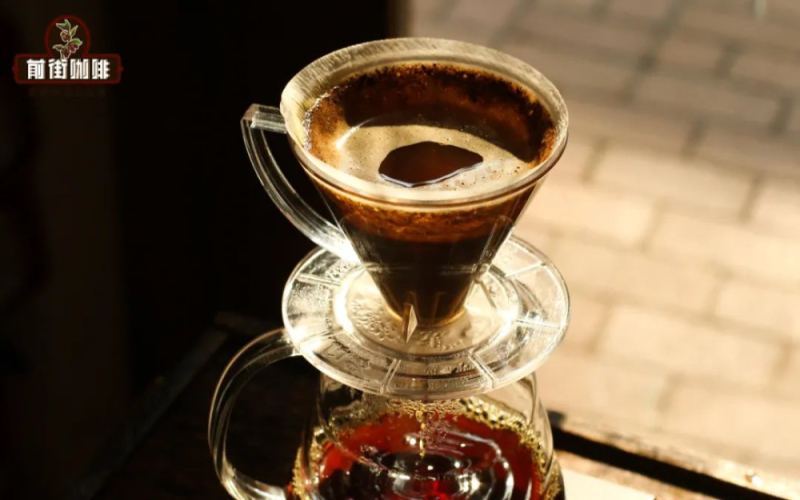
Fine Migration Clogging and Three-Stage Extraction: Analyzing the Common Causes of Clogging in Pour-Over Coffee and the Logic of Flow Cutoff
During pour-over brewing, water pooling in the dripper, a sudden drop in flow rate, or even a complete stall are tricky situations many enthusiasts have encountered. Once this kind of clogging happens frequently, it not only disrupts the brewing rhythm but also makes the final flavor direction hard to predict. What exactly causes water to be unable to pass smoothly through the coffee bed? Drawing on years of brewing and troubleshooting experience, Front Street Coffee has summarized three key influencing factors, among which fine particles blocking the filter paper pores is especially common. At the same time, why the three-pour method is widely used and what the flow-cutoff action is intended to achieve are also worth clarifying. This article will break down the principles behind these steps one by one to help you locate problems faster and make targeted adjustments the next time you brew. [more…]
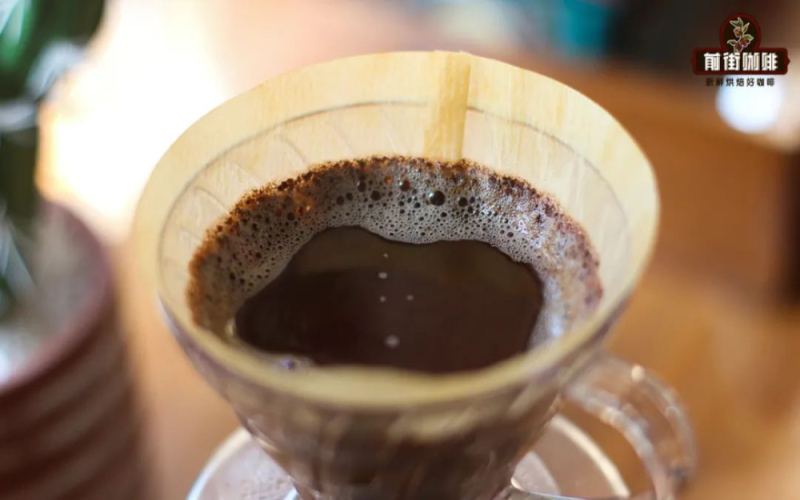
Why does pour-over coffee develop pooling that resembles channeling? Analyzing the main causes of slow drainage
Many coffee enthusiasts teach themselves pour-over brewing by watching tutorial videos, but when they actually try it, they often find that the dripper drains far more slowly than in the videos, and water pooling in the coffee bed drags out the total brew time. What exactly causes this pooling phenomenon, which resembles channeling? Front Street Coffee believes the problem mainly comes from three areas: a mismatch between the chosen video and one's own coffee beans, the influence of grind size and ultra-fine particles, and differences in pouring technique. This article will analyze everything from roast level, bean freshness, and grinder quality to pouring method, to help everyone find the root cause of slow drainage and offer practical adjustment ideas, making the pour-over process more controllable. [more…]
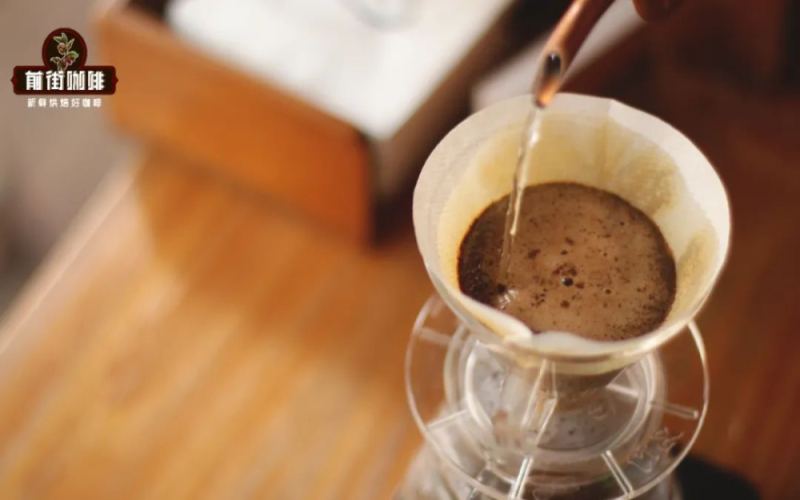
Can gently tapping the dripper really change the extraction result? The hidden link between fine migration and channeling
In pour-over coffee, many enthusiasts habitually tap the dripper before pouring water, trying to make the surface of the coffee bed more level. However, this seemingly harmless little action may cause fines to gradually settle to the bottom under vibration, creating a coffee bed density that is loose at the top and compact at the bottom. When hot water passes through this uneven structure, it will bypass the denser areas of greater resistance and flow toward the edge of the dripper, triggering channeling and a failed bloom, ultimately leading to uneven extraction, clogging in the final stage, and even over-extracted woody flavors. Through comparative experiments, Front Street Coffee found that the two groups of coffee—one without tapping and one with ten taps—showed clear differences in drip time and flavor performance. This article will break down the physical mechanism of fines settling and share a coffee-dosing technique that achieves a level coffee bed without repeated tapping, helping you consistently reproduce the ideal flavor in your daily brewing. [more…]
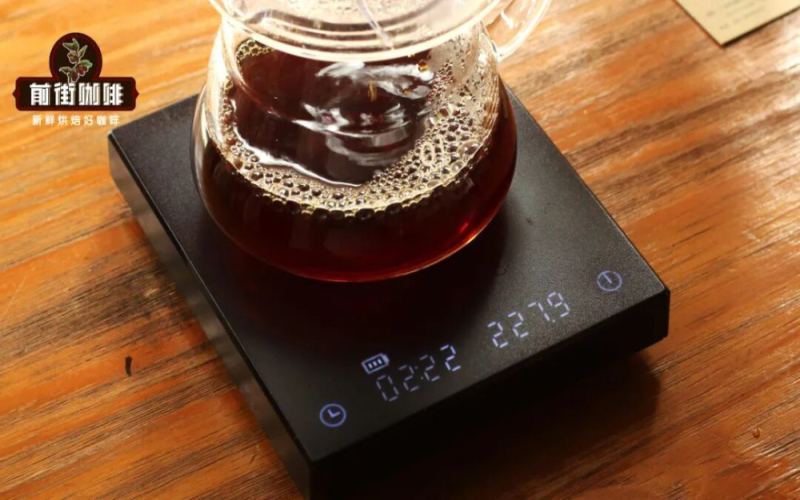
Pour-over coffee draining slowly or taking too long to extract—what to do? Find out the causes of water pooling and practical adjustments.
In pour-over coffee, extraction time is often the most difficult variable to control. Many coffee enthusiasts, when brewing at home, have encountered the situation where hot water is slow to drain through and the time gets dragged out. To avoid over-extraction, some people remove the dripper early, but is this really effective? Starting from the brewing framework commonly used at Front Street, this article sorts out several main reasons for slow flow and water retention, including too many fines, improper pouring technique, and the characteristics of light-roasted beans, and offers corresponding solutions to help you improve your brewing performance without changing equipment. [more…]
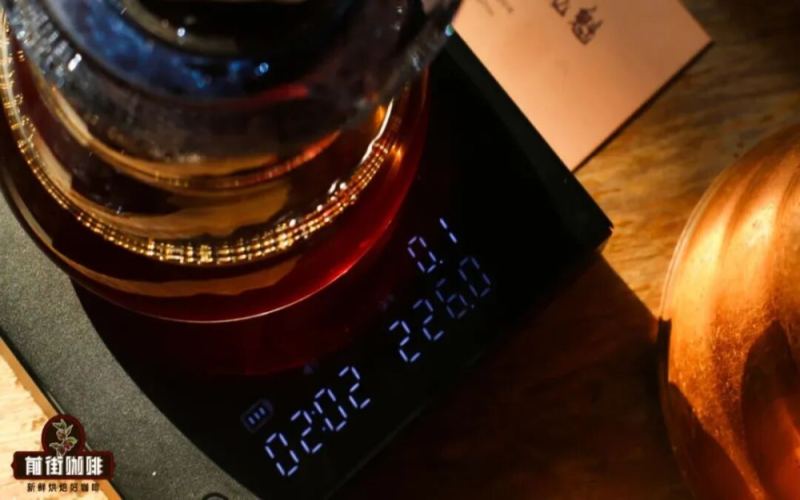
How to Keep Pour-Over Coffee Extraction Time Stable at 2 Minutes? A Practical Adjustment Guide for Dark and Light Roasts
In pour-over coffee, brew time is not an actively controllable parameter, but rather a mirror that reflects whether grind size, coffee-to-water ratio, pouring technique, and dripper choice are in harmony. Many tutorials treat 2 minutes as the ideal checkpoint, but beans of different roast levels offer noticeably different resistance to hot water penetration—dark roasts flow quickly, while light roasts tend to clog, so the time naturally fluctuates. Front Street Coffee uses two beans—Colombia Huila and Ethiopia Sidamo Hamasho—to demonstrate the pouring rhythm, staged strategies, and flow-rate correction methods for dark and light roasts respectively, helping beginners keep brew time within a reasonable range and understand the direction of adjustment behind the time feedback. [more…]
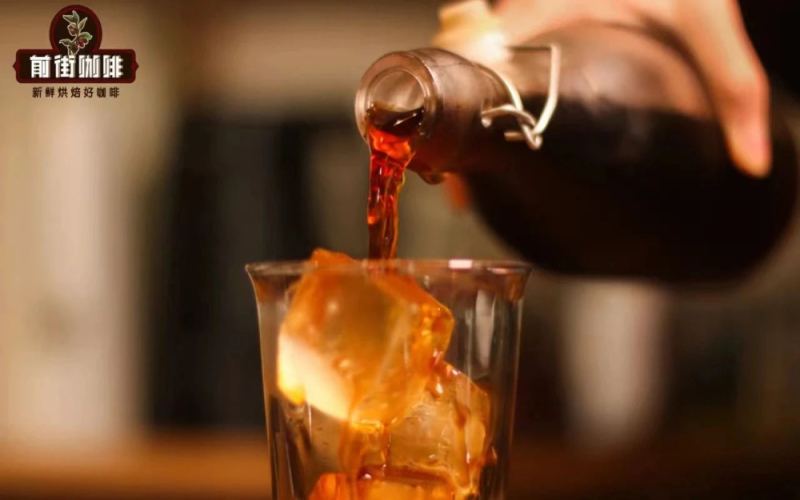
How to Make Cold Brew Coffee Taste Great? A Full Guide to Grind Size, Drip Rate, and Coffee Bean Selection
Cold brew coffee is loved by coffee enthusiasts for its rich yet refreshing flavor and its natural fermented, wine-like aroma, achieved by slowly dripping ice water through coffee grounds. Making cold brew is actually not complicated; the key lies in choosing the right equipment, controlling the grind size and drip rate, and selecting the right coffee beans. If the grind is too coarse, the flavor will be thin; if it's too fine, it will easily clog and cause water to pool, bringing out bitterness. Front Street Coffee recommends using a No. 20 standard sieve with 80-85% grind size, controlling the drip rate at about 7 drops per 10 seconds, with 60 grams of grounds taking about 6 hours. After dripping, it still needs to be placed in the refrigerator for low-temperature fermentation for 12 hours to reach optimal flavor. This article will explain in detail the brewing parameters and bean selection approach for cold brew coffee. [more…]

A Complete Guide to Common Home Pour-Over Coffee Problems: Fixes for Stalling, Sudden Flow Changes, Off-Flavors, and Burnt Bitterness
Brewing coffee at home—when neither the equipment nor the beans are lacking, yet accidents still happen all too often: the final drawdown pools and drips endlessly, the flow rate suddenly speeds up at the same grind setting, sometimes it tastes great and sometimes it's rife with off-flavors, and the aftertaste carries a smoky, bitter char... Where exactly do these problems originate? Drawing on Front Street's hands-on experience, this article breaks down one by one the five most common extraction pitfalls in home brewing—from fine-particle clogging, the characteristics of anaerobic beans, and the effects of water quality to pouring technique and dark-roast parameter settings—to help you pinpoint the root cause and bring every pour-over cup closer to the ideal flavor. [more…]
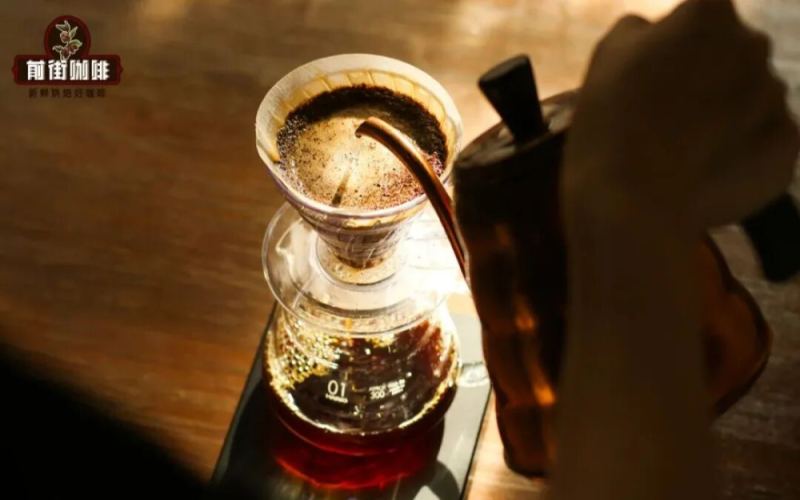
Analyzing the Differences in Pour-Over Coffee Flow Rate: Understanding Extraction Rhythm Through Roast Level, Processing Method, and Growing Altitude
Using the same set of pour-over parameters, why do some beans finish dripping in under two minutes, while others seem to pool water from start to finish? Many people new to pour-over encounter this confusion at Front Street stores. In fact, the flow rate behavior of coffee beans is not random—it is closely related to roast level, processing method, and growing altitude. Drawing on Front Street's extraction experience, this article first breaks down the three major influencing factors, then offers specific grinding and technique adjustment suggestions for anaerobic beans, dark-roasted beans, and high-altitude light-roasted beans, helping you find the right extraction rhythm for different beans. [more…]
Is It Feasible to Use 30 Grams of Coffee for a Single Pour-Over? Adjustment Approach and Practical Tips for Large-Dose Extraction
During holidays and family gatherings, there's always someone hoping the coffee enthusiast will brew a fresh pot on the spot. But when the dose jumps from the usual 15 grams to 30 grams, the same technique tends to cause water to pool at the end of the drawdown, drag out the brew time, and leave the flavor low and muddy. Why does extraction change so much once the dose goes up? Front Street Coffee breaks down the challenges of large-dose pour-over one by one—from dripper model and blooming method to pouring rhythm—and offers adjustment plans for both the 02 and 01 drippers, helping you brew coffee close to your everyday standard even at gatherings with many people. [more…]
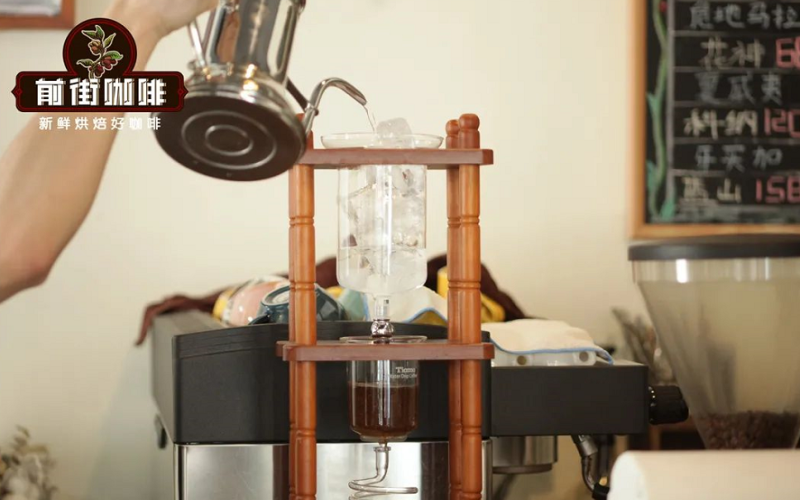
A Complete Guide to Cold Brew Coffee: Five Key Points from Bean Selection to Extraction Ratio
Cold brew coffee has become increasingly popular in the specialty coffee scene in recent years, thanks to its rich flavor and refreshing taste. Making a good cup of cold brew at home is actually not complicated—put ice water on top, coffee grounds in the middle, and a carafe at the bottom to catch the coffee, letting the ice water drip through the coffee bed one drop at a time, and extraction is complete in about six hours. However, this seemingly simple process hides many details that affect flavor. Front Street Coffee breaks down five key factors one by one—from bean selection, grind size, drip rate, and coffee-to-water ratio to how you drink it—and offers specific parameter recommendations, such as grind pass rate, a rhythm of 7 drops per 10 seconds, and a rich 1:10 ratio, helping coffee lovers consistently reproduce their ideal cold brew flavor. [more…]
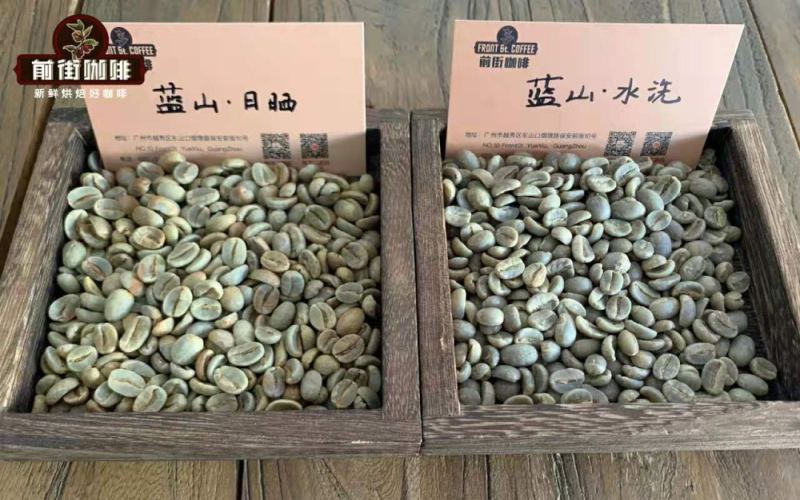
A Complete Guide to Jamaican Blue Mountain Coffee Beans: From History and Grading to Authenticity Verification and Front Street Brewing Tips
Blue Mountain coffee is hailed as the king of coffee, but do you really know it? From the perspective of Front Street Coffee, this article systematically reviews the cultivation history, geographical conditions, grading system, processing methods, and famous estates of Jamaican Blue Mountain coffee, and includes Front Street Coffee's brewing parameters and flavor description. At the same time, it teaches you how to distinguish authentic Blue Mountain No. 1 from Blue Mountain flavor blend beans on the market through four dimensions: appearance, feel when grinding beans, aroma, and taste. Whether you are a beginner enthusiast or a veteran gourmet in pursuit of the ultimate flavor, this content can help you understand Blue Mountain coffee more comprehensively and avoid common pitfalls in purchasing and tasting. [more…]
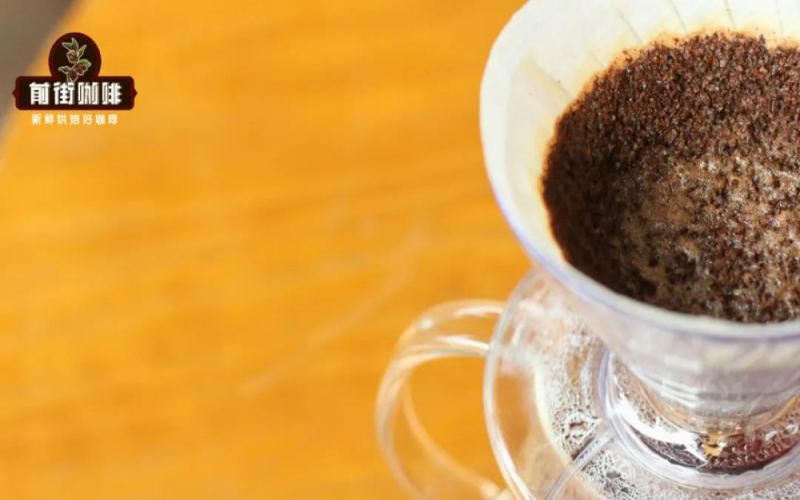
Why Does the Pour-Over Coffee Bed Crack into Two Segments? An Analysis of How Pouring Force and Spiral Pouring Technique Affect Extraction Uniformity
The shape of the coffee bed after a pour-over often reveals whether the pouring technique was appropriate. Some beginners find that after brewing, the coffee wall breaks into two sections, with a thin ring of coffee grounds in the middle dotted with small bubbles, some grounds sinking to the bottom, and the coffee tasting less than ideal. This usually happens because the water flow was too forceful during the final pour, breaking through the coffee wall built up earlier, so hot water runs straight down along the filter paper's ribs, creating channeling and causing uneven extraction. In addition, too wide a pouring circle can also let the water level rise above the coffee wall, leading to under-extraction and bitterness. This article will analyze the causes of these two types of coffee beds and, drawing on Front Street Coffee's usual three-stage method, explain how to master the basics of flow control by managing pouring height and circle size, so that the coffee grounds release their flavors evenly. [more…]
Drip Bag Coffee | What details can be adjusted to make the black coffee brewed from drip bag coffee taste better? How to properly brew a drip bag coffee pack?
Although drip bags cannot replace freshly ground pour-over coffee, many people still can't do without them, because while coffee is precious, waking up early requires a pick-me-up. As the "instant noodles" of the coffee world, a drip bag is made by pre-grinding coffee beans into powder, packing a fixed weight into a filter bag with "ears" on the sides, and then simply pouring in hot water and filtering out the grounds to [more…]
How Does Grind Size Shape Coffee Flavor? A Guide to Dialing In Grind for Pour-Over, French Press, Cold Brew, and Espresso
Whether a cup of coffee is light or bitter is often foreshadowed the moment the beans are ground. The coarseness of the coffee particles directly determines the release rate of soluble flavor compounds—it must fully extract the pleasant aromas and sweet-tart notes while avoiding the emergence of bitter, off-flavors. This article focuses on four common extraction methods—pour-over, French press, cold brew drip, and espresso—explaining the suitable grind range for each, and introduces how to calibrate grind size with a No. 20 standard sieve (0.85mm aperture), so that every bean can find the right brewing coarseness. The article also retains Front Street Coffee's empirical parameters from actual cupping and in-store dialing, for coffee enthusiasts to use as a reference. [more…]
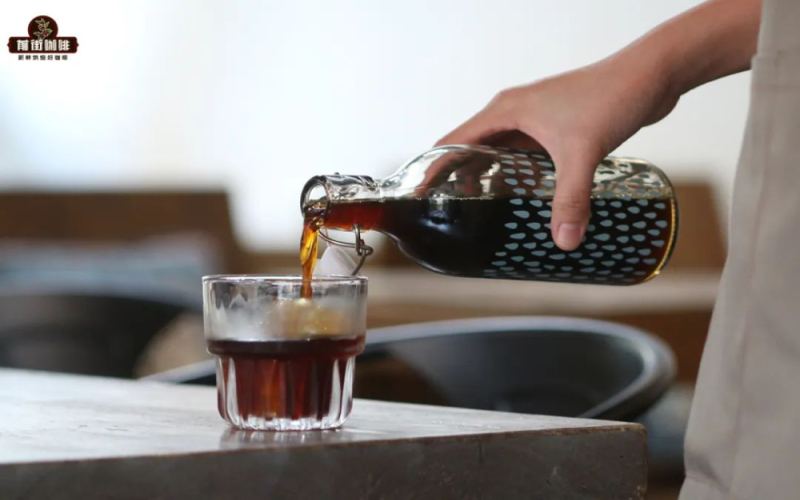
Cold Brew Coffee Complete Guide: Detail Techniques from Coffee-to-Water Ratio to Grind Size and Single-Origin Bean Recommendations
Cold brew coffee presents a refreshing, rich sweet-and-sour flavor through low-temperature slow extraction, but making a satisfying cup requires attention to many details. This article walks through the key points of cold brew coffee production one by one, from bean selection, roast date, tapping and tamping, pre-wetting, and filter paper placement, to grind size, drip rate, coffee-to-water ratio, and finally refrigeration fermentation and storage. It also combines Front Street brand's recommended single-origin beans such as Sidra, Strawberry Candy, Little Tomato, and Huakui, along with a recipe example of Strawberry Candy blended with Red Cherry, to help coffee enthusiasts master the core techniques of low-temperature extraction and reliably reproduce a clean, layered cup of cold brew coffee at home. [more…]
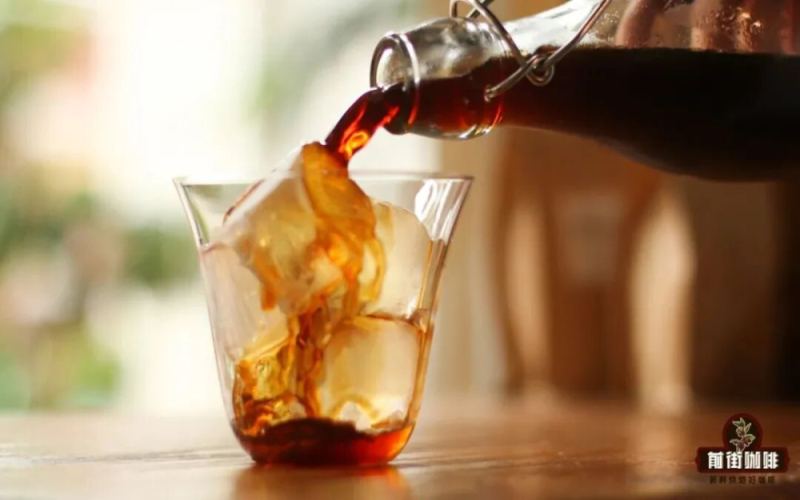
How Is Cold Brew Coffee Different from Iced Americano and Iced Pour-Over? A Complete Brewing Guide from Equipment Principles to Grind and Flow Rate
Ice drip coffee often sells for a higher price than iced Americano and iced pour-over in cafés, sometimes even in smaller portions—what is the reason behind this? Although it and cold brew both belong to low-temperature extraction, their production logic is completely different. Starting from Front Street's hands-on experience, this article will break down the four key variables of ice drip coffee—the equipment structure, grind calibration, drip rate, and coffee-to-water ratio, as well as the aging time—and provide specific parameter recommendations for light-roast and medium-roast beans. Whether you want to understand why ice drip coffee is expensive or are planning to get an ice drip pot and try it at home, this article can provide a clear operational reference. [more…]